
Borehole Water Tank Cleaning and Descaling Kenya: The 2026 Nairobi Homeowner's Guide
11/1/2026
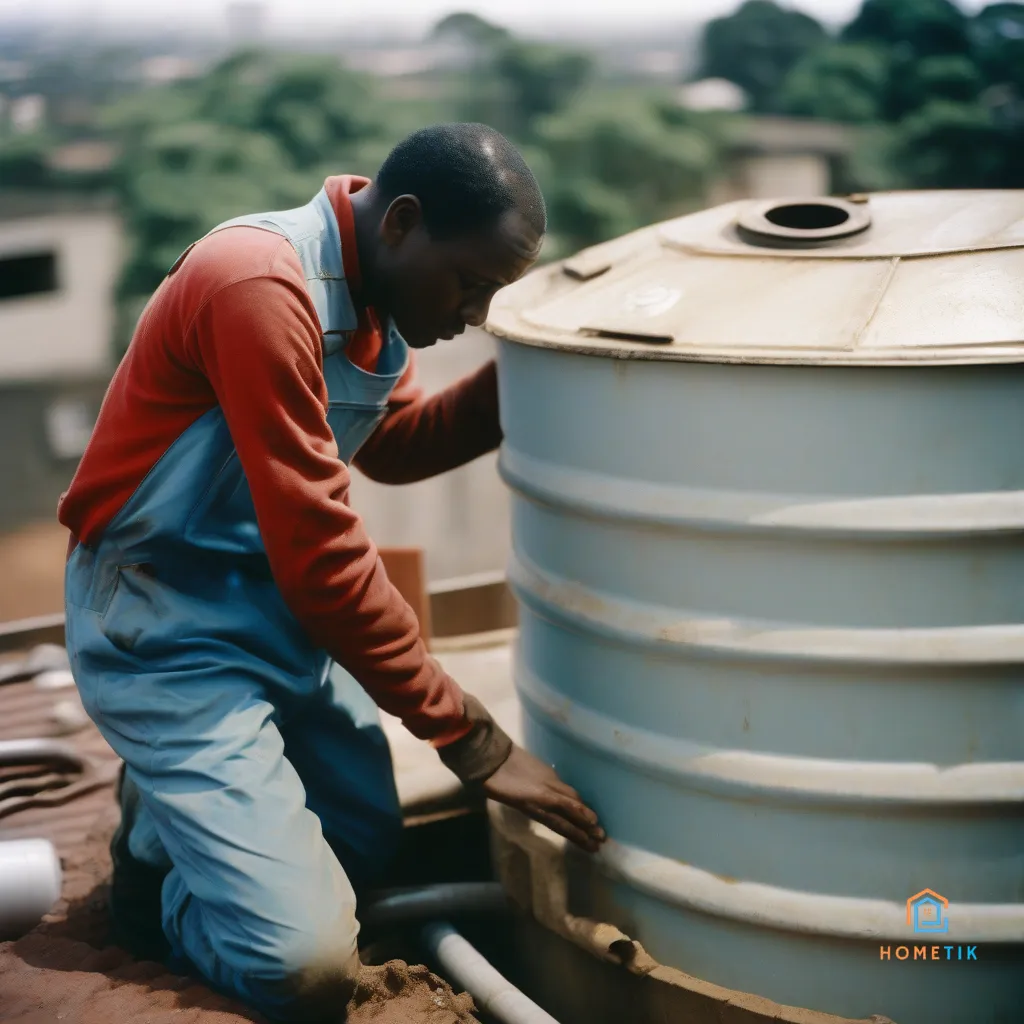
Borehole Water Tank Cleaning and Descaling Kenya: The 2026 Nairobi Homeowner's Guide
If you rely on a borehole for your water supply, you already know the value of that private resource. But what many homeowners, landlords, and property managers in Nairobi overlook is the hidden threat lurking inside their storage tanks. The combination of Nairobi water pressure variations, borehole scaling, and Kenya Power fluctuations creates a perfect environment for scale buildup and bacterial growth. Without regular borehole water tank cleaning and descaling in Kenya, you risk contaminated water, damaged appliances, and costly plumbing repairs.
[!NOTE] Key Takeaways
Custom AI Employees Starting KSh 6,990/moHire Digital AI Staff That Work 24/7 For Your Business
Deploy AI Receptionists, Customer Support Agents, and Sales Assistants that learn your business products, answer WhatsApp inquiries instantly, and never request sick leave.
- Borehole water in Nairobi often contains high levels of calcium and magnesium, leading to scale buildup in tanks and pipes.
- Professional tank cleaning and descaling should be done every 6–12 months, depending on water hardness.
- DIY cleaning is risky and often ineffective; vetted technicians have the right tools and descaling chemicals.
- Realistic costs in Nairobi range from KES 7,500 to KES 25,000 depending on tank size and service scope.
- Hometik dispatches insured, vetted technicians across Nairobi in under 45 minutes.
Why Borehole Water Tanks in Nairobi Need Special Attention
Nairobi's geology is a major culprit. Boreholes in areas like Karen, Lavington, and Kiambu Road often tap into aquifers rich in dissolved minerals. When this water sits in your storage tank, the minerals precipitate out and form hard scale on the tank walls, pipes, and heating elements. Over time, this scale becomes a breeding ground for bacteria and reduces your water pressure.
Additionally, many estates in South C, Syokimau, and Ruiru experience frequent water interruptions. Tanks sit partially full for extended periods, allowing sediment and organic matter to accumulate. When combined with Kenya Power fluctuations that affect pump performance, the results can be disastrous—cloudy water, foul odours, and premature failure of washing machines, water heaters, and solar systems.
Signs Your Tank Needs Cleaning and Descaling
- Water tastes metallic or has a faint odour.
- White crusty deposits around taps and showerheads.
- Reduced water pressure from scale-clogged pipes.
- Cloudy or discoloured water after refilling.
- Frequent repairs on water-using appliances.
[!TIP] Need fast, verified service in Nairobi? Request an Instant Quote or WhatsApp our dispatch desk on 0714 363 140 for same-day service.
The Science of Descaling: What Really Happens Inside Your Tank
Scale is primarily calcium carbonate. In Nairobi's boreholes, water hardness can exceed 300 mg/L, which is classified as very hard. Descaling involves introducing a food-grade acidic solution that dissolves the calcium bonds, breaking down the crust. But it's not as simple as pouring vinegar into your tank—professional descaling requires controlled concentrations, proper circulation, and safe disposal of the waste.
Never Miss Another Client Lead or WhatsApp Inquiry
Deploy a custom AI Receptionist that books appointments, answers FAQs in seconds, and converts visitors into paying customers on WhatsApp.
Moreover, tank cleaning involves more than just descaling. It includes:
- Draining and sludge removal – Removing the thick layer of sediment at the bottom.
- High-pressure washing – Blasting away biofilm and loose scale.
- Chemical descaling – Circulating a descaling agent through the tank and connected pipes.
- Disinfection – Killing bacteria and pathogens with a chlorine-based solution.
- Rinsing and neutralisation – Ensuring no chemical residue remains.
- Water quality testing – Verifying pH and chlorine levels before refilling.
Skipping any step can leave your tank vulnerable to recontamination. That's why DIY kits rarely deliver lasting results.
Step-by-Step Diagnostic Checklist (Do-It-Yourself Inspection)
Before calling a professional, you can perform a basic inspection. Use this checklist to document your findings:
- Visual inspection: Open the tank lid (if safe) and look for scale, slime, or sediment.
- Smell test: Does the water have an earthy or chlorine-like odour beyond normal?
- Turbidity check: Fill a glass with tap water—is it cloudy?
- Scale test: Boil a small sample; if a white film forms on the pot, you have hard water.
- Pressure gauge: Compare water pressure at the furthest tap to the pump output.
- Appliance check: Look for scale on kettle elements and showerheads.
- Record keeping: Note the date of last cleaning and any changes in water quality.
This information will help your technician recommend the right service level.
Realistic Costs for Borehole Water Tank Cleaning and Descaling in Kenya (2026)
Prices vary based on tank capacity, accessibility, and the extent of scaling. Here's a breakdown of what you can expect in Nairobi:
| Service | Tank Size (Litres) | Typical Cost Range (KES) |
|---|---|---|
| Basic cleaning (no descaling) | 1,000 – 2,000 | 7,500 – 12,000 |
| Cleaning + descaling | 1,000 – 2,000 | 12,000 – 18,000 |
| Cleaning + descaling | 2,000 – 5,000 | 18,000 – 25,000 |
| Cleaning + descaling + water test | 5,000+ | 25,000 – 35,000 |
Note: These are estimates. Complex installations (e.g., underground tanks or rooftop tanks with limited access) may attract additional labour charges.
Many homeowners in Westlands and Kilimani also opt for annual maintenance contracts to spread costs and ensure regular service. If you're managing an apartment block, consider a custom property maintenance quote to bundle tank cleaning with other services.
Why You Should Never DIY Descaling
Descaling chemicals are corrosive and can damage your skin, eyes, and respiratory system if mishandled. Improper disposal can contaminate soil and groundwater. Furthermore, without proper neutralisation, residual acid can corrode your plumbing and appear in your drinking water.
Professional technicians from Hometik use personal protective equipment, industrial-grade descaling agents, and follow strict safety protocols. They also carry water testing kits to verify the final quality.
How Often Should You Clean and Descale Your Borehole Tank?
The frequency depends on water hardness and usage:
- Hard water areas (Karen, Runda, Lavington): Every 6 months.
- Moderate hardness (South C, Syokimau): Every 9–12 months.
- Soft water or treated supply: Annually as a precaution.
If you notice any of the warning signs earlier, don't wait—schedule a service immediately.
Choosing the Right Service Provider in Nairobi
Not all plumbers are equipped for tank descaling. Look for providers who offer:
- Proof of insurance – Protects you against liability.
- Vetted technicians – Background-checked and trained.
- Proper equipment – Including high-pressure washers and descaling pumps.
- Water quality testing – To confirm safety.
- Written report – After-service documentation.
Hometik's home services hub connects you with vetted, insured technicians dispatched across Nairobi in under 45 minutes. We handle everything from emergency plumbing leak detection to solar water heating maintenance. If you're also considering smart water submetering to track consumption, our smart water submetering guide explains the benefits.
[!TIP] Need fast, verified service in Nairobi? Request an Instant Quote or WhatsApp our dispatch desk on 0714 363 140 for same-day service.
The Hometik Advantage: Speed, Safety, and Transparency
Hometik's network of technicians is trained to handle borehole tank cleaning and descaling for residential homes, apartment blocks, and commercial properties. We use a six-step process that includes a pre-service inspection, controlled descaling, and post-service water testing. Our pricing is transparent—no hidden fees.
For landlords and estate managers, we offer custom maintenance contracts that include scheduled tank cleaning, pump servicing, and plumbing repairs. Request a custom quote to learn more.
Preventing Future Scale Buildup
After descaling, consider these preventive measures:
- Install a water softener if hardness is consistently high.
- Use a sediment pre-filter before the tank.
- Schedule regular inspections (every 6 months).
- Keep the tank lid sealed to prevent debris entry.
- Monitor water pressure; sudden drops may indicate scale blockage.
If you're also looking to automate your home's water management, explore smart WiFi switches and automation in Kenya to integrate leak sensors and smart valves.
Conclusion: Don't Let Scale Compromise Your Water Quality
Borehole water is a valuable asset in Nairobi, but it requires proper maintenance. Regular borehole water tank cleaning and descaling in Kenya protects your health, extends the life of your appliances, and ensures a consistent water supply. With Hometik, you get vetted professionals, transparent pricing, and same-day service across Nairobi.
Ready to schedule your tank cleaning? Book a service now or WhatsApp us at 0714 363 140 for an instant quote.
Frequently Asked Questions
1. How long does borehole water tank cleaning and descaling take? Typically 2–4 hours for a standard 1,000–2,000 litre tank. Larger or heavily scaled tanks may take longer.
2. Is the descaling chemical safe for drinking water? Yes, when used by professionals who neutralise and rinse thoroughly. We always test the water after service to ensure safety.
3. Can I clean my tank without draining it completely? No—proper cleaning requires draining to remove sediment and apply descaling agents effectively. Partial cleaning is ineffective.
Hometik is Nairobi's leading smart living platform, delivering professional home services, ad co-funding, smart home goods, and AI business employees. Trusted by homeowners, landlords, and businesses across Kenya.