
Essential Guide to Solar Power Inverter Backup Installation in Nairobi
11/6/2026
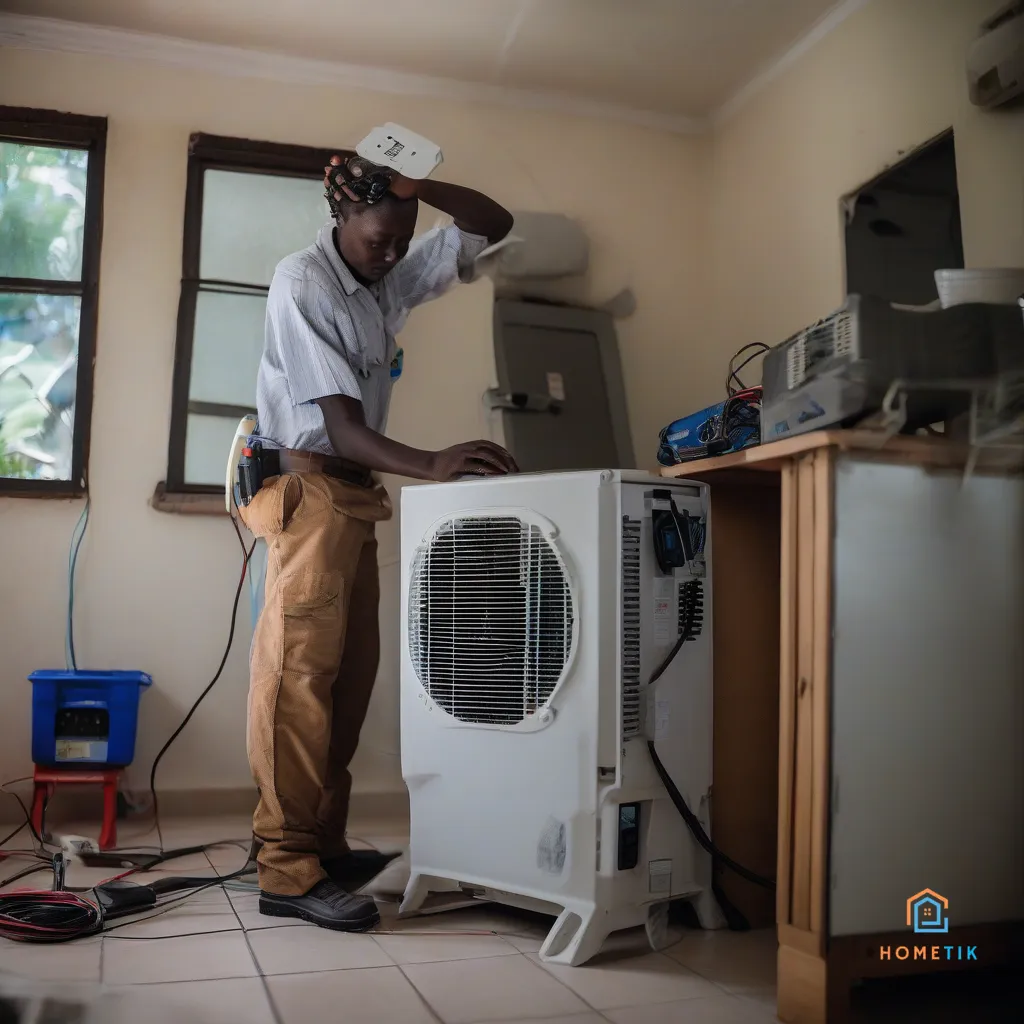
Essential Guide to Solar Power Inverter Backup Installation in Nairobi
Nairobi, the bustling heart of Kenya, is no stranger to power outages. From planned maintenance by Kenya Power to unexpected grid fluctuations, losing electricity can disrupt daily life, impact businesses, and even pose security risks. This is why investing in a reliable solar power inverter backup installation in Nairobi has become not just a luxury, but a necessity for many homeowners, landlords, and businesses across the city.
Gone are the days of relying solely on noisy, fuel-guzzling generators. Modern solar inverter backup systems offer a silent, clean, and often more cost-effective solution to keep your lights on, your Wi-Fi running, and your essential appliances powered during blackouts. Whether you're in Westlands, Kilimani, Karen, or even the rapidly developing areas like Ruiru and Syokimau, uninterrupted power is crucial for a comfortable and productive life.
Never Miss Another Client Lead or WhatsApp Inquiry
Deploy a custom AI Receptionist that books appointments, answers FAQs in seconds, and converts visitors into paying customers on WhatsApp.
[!NOTE] Key Takeaways for Solar Power Inverter Backup in Nairobi:
- Solve Blackouts: Ensure continuous power during Kenya Power outages.
- Cost-Effective: Reduce reliance on expensive generators and grid electricity.
- System Components: Inverter, batteries, solar panels (optional), charge controller.
- Installation Expertise: Crucial for safety, efficiency, and longevity.
- Hometik Advantage: Verified technicians, free booking, and secure M-Pesa payments upon job completion for your peace of mind.
Why Nairobi Needs Solar Power Inverter Backup Systems
Nairobi's electricity supply, while improving, still faces challenges. Frequent power interruptions are a common grievance, impacting everything from home security systems and refrigeration to critical business operations. A robust solar power inverter backup system provides:
- Uninterrupted Power Supply (UPS): Seamless transition when the grid fails, keeping essential appliances running without a hitch.
- Cost Savings: Reduce your electricity bills by utilizing solar energy during the day and storing excess for night-time use or blackouts. Over time, this offsets your initial investment.
- Environmental Benefits: Harnessing solar energy means less reliance on fossil fuels, contributing to a cleaner environment.
- Increased Property Value: Homes with integrated solar solutions are more attractive to potential buyers and tenants, especially in areas with persistent power issues.
- Peace of Mind: No more scrambling for candles or worrying about food spoilage during prolonged outages.
Understanding the Core Components of a Solar Inverter System
Before undertaking a solar power inverter backup installation in Nairobi, it's essential to understand the key components that make up such a system:
- Solar Panels (Photovoltaic/PV Modules): These convert sunlight into direct current (DC) electricity. While a backup system can be installed without panels (relying solely on grid charging), adding them makes it a true solar power system, maximizing savings and energy independence.
- Inverter: The brain of the system, an inverter converts the DC electricity from solar panels (or batteries) into alternating current (AC) electricity, which is what most household appliances use. For backup, a hybrid or off-grid inverter is typically used, capable of switching between grid, solar, and battery power.
- Batteries: These store the excess energy generated by solar panels or charged from the grid. When the main power goes out, the inverter draws electricity from these batteries. Common types include lead-acid (gel/AGM) and lithium-ion batteries, with lithium-ion offering longer lifespan and higher efficiency at a higher upfront cost.
- Charge Controller (if applicable): If you have solar panels, a charge controller regulates the voltage and current from the solar panels to the batteries, preventing overcharging and extending battery life.
- Mounting Structure & Cabling: Robust structures to safely secure solar panels to your roof, along with appropriate cabling and protection devices (breakers, surge protectors) for safe electrical integration.
The Solar Power Inverter Backup Installation Process in Nairobi
Installing a solar inverter backup system is a complex task that requires specialized knowledge and adherence to safety standards. Here's a general overview of the process:
Hire Digital AI Staff That Work 24/7 For Your Business
Deploy AI Receptionists, Customer Support Agents, and Sales Assistants that learn your business products, answer WhatsApp inquiries instantly, and never request sick leave.
- Site Assessment & Energy Audit: A qualified technician will visit your property in areas like Lavington, Kileleshwa, or Lang'ata to assess your energy consumption, available roof space for panels (if applicable), and your electrical infrastructure. They'll determine your peak load and daily energy needs to recommend the right system size.
- System Design: Based on the assessment, a tailored system design is created, specifying the inverter size, battery bank capacity, and number of solar panels (if included). This ensures your system meets your specific requirements and budget.
- Component Sourcing: High-quality inverters, batteries, and solar panels are sourced from reputable manufacturers. The quality of components directly impacts system performance and longevity.
- Installation: This involves mounting solar panels (if any), installing the inverter, setting up the battery bank, and integrating the system with your existing electrical wiring. Professional electricians ensure all connections are secure, safe, and compliant with local regulations.
- Testing & Commissioning: Once installed, the system undergoes rigorous testing to ensure it's functioning correctly, safely, and efficiently. The technician will then commission the system and provide you with instructions on its operation and maintenance.
Realistic Costs for Solar Inverter Backup Installation in Nairobi
The cost of solar power inverter backup installation in Nairobi varies significantly based on the system size, battery type, and whether solar panels are included. Here's a general estimate:
- Small System (1-2kW Inverter, 2-4kWh Battery): Suitable for essential loads like lights, TV, Wi-Fi, and charging. Expect KES 150,000 - KES 300,000.
- Medium System (3-5kW Inverter, 5-10kWh Battery): Can power most household appliances, including a fridge and small water pump. Expect KES 350,000 - KES 700,000.
- Large System (5kW+ Inverter, 10kWh+ Battery): For larger homes or commercial spaces, powering multiple heavy-duty appliances. Expect KES 750,000 - KES 1,500,000+.
These figures can increase with the addition of high-efficiency solar panels or premium lithium-ion batteries. Always get a detailed, customized quote for your specific needs.
[!TIP] Need a verified technician in Nairobi? Book a Free Appointment — zero upfront fees, pay only on arrival! Or WhatsApp dispatch on 0714 363 140.
Choosing the Right Partner for Your Solar Installation
Selecting the right service provider for your solar power needs is paramount. You need a team that understands the nuances of Nairobi's power grid, local regulations, and can provide reliable, lasting solutions. Look for:
- Certified and Experienced Technicians: Ensure they have proven expertise in solar installations and electrical systems. This is critical for safety and system efficiency.
- Quality Components: The provider should use durable, high-performance inverters, batteries, and panels from reputable brands.
- Comprehensive Warranty: A good warranty on both components and installation gives you peace of mind.
- Excellent After-Sales Support: Regular maintenance, like the Inverter & Battery Backup Health Check available from Hometik, and prompt repair services are crucial for maximizing your system's lifespan.
- Transparent Pricing: Clear, itemized quotes without hidden charges.
At Hometik, we specialize in making smart living accessible to every Nairobi resident. Our verified and certified technicians are dispatched across the city, from Gigiri to South C, ready to provide expert solar power inverter backup installation in Nairobi.
Beyond just power solutions, we help transform your home into a smart haven. Consider enhancing your property's security with a Smart Door Lock Installation Nairobi or managing water consumption efficiently with Smart Water Submetering for Apartments Nairobi Homeowners. And just like your solar system, don't forget the importance of proper maintenance for other solar solutions like ensuring timely Solar Water Heating Maintenance and Repair Nairobi.
Benefits of Choosing Hometik for Your Solar Needs
When you choose Hometik for your solar power inverter backup installation in Nairobi, you benefit from:
- Free Appointment Booking: No upfront diagnostic or call-out fees. Book an assessment at your convenience.
- Verified & Insured Technicians: Our experts are vetted for skills, reliability, and professionalism.
- Secure Payments: Pay safely via M-Pesa only upon technician arrival or job completion, ensuring satisfaction.
- Tailored Solutions: From initial energy audit to custom system design, we ensure your solar solution perfectly matches your lifestyle and budget.
- Comprehensive Home Services: Beyond solar, Hometik is your all-in-one partner for all home works, supplies, and smart living upgrades.
Don't let Kenya Power blackouts dictate your day. Invest in energy independence and continuous comfort with a professional solar power inverter backup installation.
Frequently Asked Questions
How long does a solar inverter backup system typically last in Nairobi?
The lifespan of a solar inverter backup system depends on the quality of components and maintenance. High-quality inverters can last 10-15 years, while lead-acid batteries typically last 3-7 years, and lithium-ion batteries 10-15 years. Solar panels have the longest lifespan, often exceeding 20-25 years. Regular servicing, like Hometik's inverter health check, can significantly extend system longevity.
Can I expand my solar power inverter backup system later?
Yes, most modern solar inverter systems are designed to be modular and scalable. It's often possible to add more solar panels, increase battery capacity, or even upgrade your inverter to a higher capacity as your energy needs grow. Discussing future expansion possibilities during the initial design phase with your installer, like Hometik, is advisable.
Is a permit required for solar power inverter backup installation in Nairobi?
For grid-tied solar systems that feed power back into the grid, specific permits and approvals from Kenya Power and county authorities are typically required. For off-grid or backup systems that only use solar or battery power when the grid is down and don't export energy, the requirements might be less stringent, but it's always best to consult with a professional installer like Hometik to ensure full compliance with all local regulations in Nairobi.
Take Control of Your Power in Nairobi
Embrace the future of reliable and sustainable energy for your home or business. With Hometik, getting a professional solar power inverter backup installation in Nairobi is simple, transparent, and guaranteed for quality. Say goodbye to blackouts and hello to uninterrupted comfort and productivity.
Ready to get started? Book your free solar power inverter backup assessment today! Or explore our full range of professional home services to keep your Nairobi home running smoothly.