
Mastering KPLC Blackouts: Your Essential Guide to Solar Power Inverter Backup Installation in Nairobi
11/7/2026
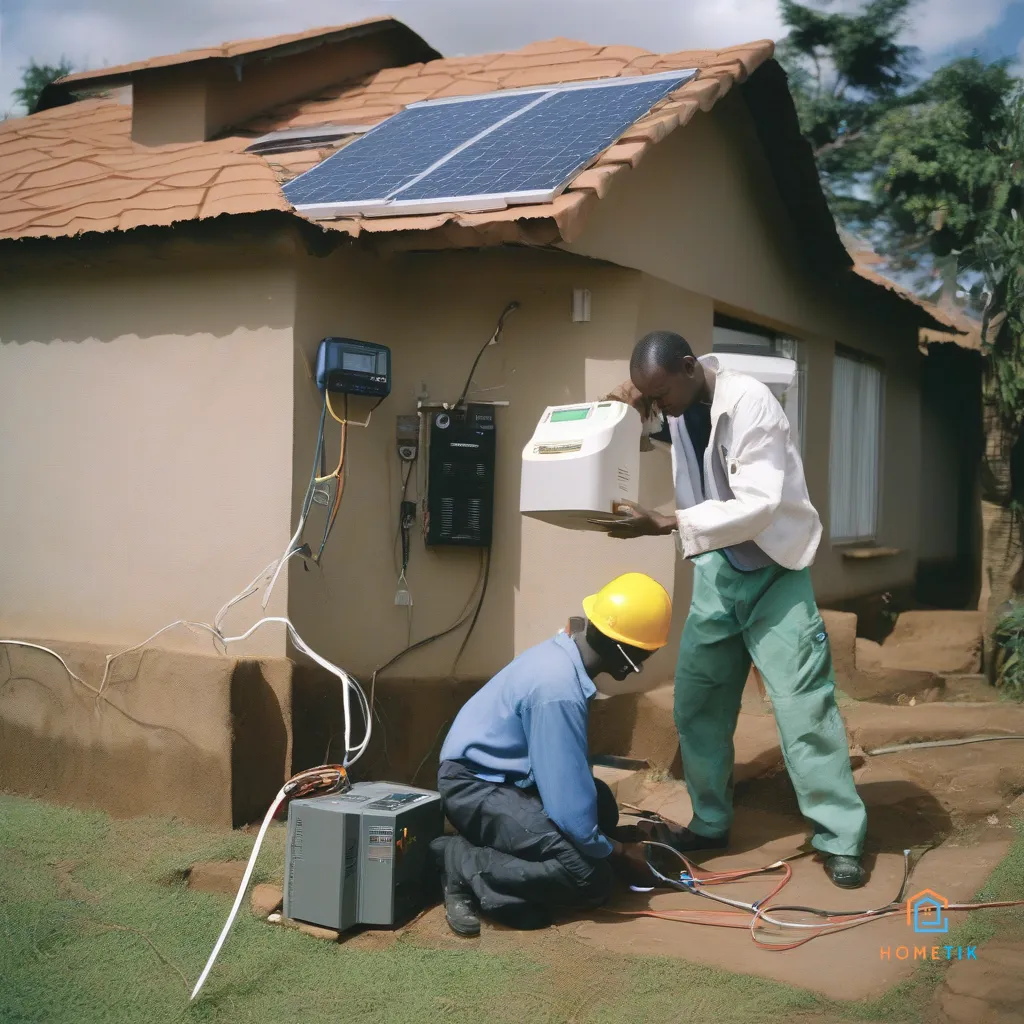
Mastering KPLC Blackouts: Your Essential Guide to Solar Power Inverter Backup Installation in Nairobi
Nairobi, the bustling heart of Kenya, is no stranger to unexpected power outages. From the frustrating flickers in Westlands and Kilimani to prolonged blackouts impacting businesses and homes in Ruiru and Syokimau, relying solely on Kenya Power (KPLC) can be a significant challenge. This unpredictability doesn't just disrupt daily life; it affects home security systems, damages sensitive electronics, and leaves families in the dark. That's where a robust solar power inverter backup installation in Nairobi becomes not just a luxury, but a vital necessity for modern smart living.
Investing in a solar power inverter backup system provides a seamless transition to alternative power the moment the grid fails. It ensures your lights stay on, your fridge keeps humming, your Wi-Fi remains connected, and your essential appliances continue to function without interruption. Hometik is here to guide you through everything you need to know about setting up a reliable power backup system, connecting you with verified technicians right across Nairobi, with free appointment booking and payment only upon job completion.
Hire Digital AI Staff That Work 24/7 For Your Business
Deploy AI Receptionists, Customer Support Agents, and Sales Assistants that learn your business products, answer WhatsApp inquiries instantly, and never request sick leave.
[!NOTE] Key Takeaways for Solar Power Inverter Backup in Nairobi:
- Combat KPLC Outages: Ensure uninterrupted power for your home or business.
- System Components: Understand inverters, batteries, and optional solar panels.
- Sizing is Crucial: Match your system to your exact power needs to avoid over or under-spending.
- Realistic Costs: Expect KES 80,000 to KES 300,000+ for a comprehensive system.
- Hometik Advantage: Free technician booking, verified experts, and secure M-Pesa payment upon job completion.
Why Consider Solar Power Inverter Backup Installation in Nairobi?
The intermittent nature of power supply in various Nairobi estates, from the leafy suburbs of Karen and Lavington to the vibrant communities along Ngong Road and Kiambu Road, makes a strong case for energy independence. Frequent outages can lead to:
- Loss of Productivity: Working from home or running a small business becomes impossible.
- Food Spoilage: Refrigerators and freezers cease to function, leading to significant losses.
- Security Concerns: CCTV cameras, electric fences, and smart door locks can fail, compromising safety.
- Disrupted Connectivity: No Wi-Fi means no communication, entertainment, or access to online services.
- Appliance Damage: Power surges after a blackout can harm sensitive electronics.
A properly installed solar power inverter backup system addresses all these issues, offering peace of mind and consistent power supply.
Understanding the Components of a Solar Power Inverter Backup System
When considering solar power inverter backup installation in Nairobi, it's important to understand the core components:
Never Miss Another Client Lead or WhatsApp Inquiry
Deploy a custom AI Receptionist that books appointments, answers FAQs in seconds, and converts visitors into paying customers on WhatsApp.
- The Inverter: This is the brain of the system. It converts the DC (Direct Current) power stored in batteries into AC (Alternating Current) power, which is what your home appliances use. Modern inverters are smart, managing charging from solar panels (if installed) or the grid, and seamlessly switching to battery power during outages.
- Batteries: These store the electrical energy. Common types include lead-acid (tubular, gel, AGM) and lithium-ion (LiFePO4) batteries. Lithium-ion batteries, though pricier upfront, offer longer lifespan, faster charging, and deeper discharge cycles, making them a more cost-effective choice in the long run for many Nairobi homes.
- Solar Panels (Optional but Recommended): While an inverter backup system can operate by charging batteries solely from the KPLC grid, integrating solar panels makes it a true solar power solution. Panels generate electricity during the day, charging your batteries and reducing your reliance on KPLC, leading to significant savings on your electricity bills over time.
Sizing Your System: What Capacity Do You Need?
One of the most critical steps in solar power inverter backup installation in Nairobi is correctly sizing your system. An undersized system won't meet your needs, while an oversized one will be an unnecessary expense. Here’s a simple checklist to help you estimate:
- Identify Essential Appliances: List all appliances you want to run during a blackout (lights, TV, Wi-Fi router, fridge, charging points, water pump, microwave).
- Check Wattage: Look at the wattage (W) rating on each appliance.
- Estimate Run Time: How many hours do you need each appliance to run?
- Calculate Total Load: Multiply wattage by run time for each appliance, then sum them up to get your total Watt-hours (Wh) per day. This helps determine battery capacity.
- Inverter Size: Your inverter's wattage rating should be higher than the simultaneous peak wattage of all appliances you expect to run at once.
For example, a small apartment might only need to power lights, a TV, and Wi-Fi for 4-6 hours, requiring a smaller system (e.g., 800W inverter, 100Ah battery). A large family home in Karen with a fridge, multiple TVs, and a water pump would need a much larger setup (e.g., 5000W inverter, 400Ah+ battery bank).
Realistic Costs for Solar Power Inverter Backup Installation in Nairobi
The cost of a solar power inverter backup installation in Nairobi varies widely depending on the system size, battery type, inverter brand, and complexity of installation. Here’s a rough breakdown:
Basic System (Lights, TV, Wi-Fi, Charging - 4-6 hours):
- Inverter (800W - 1.5kW): KES 15,000 - KES 45,000
- Batteries (100Ah - 200Ah Lead-Acid/Gel): KES 25,000 - KES 60,000
- Installation & Wiring: KES 20,000 - KES 40,000
- Total Estimate: KES 60,000 - KES 145,000
Medium System (Above + Fridge, Fan, Small water pump - 6-8 hours):
- Inverter (2kW - 3.5kW): KES 50,000 - KES 120,000
- Batteries (200Ah - 400Ah Lead-Acid/Lithium): KES 60,000 - KES 180,000
- Solar Panels (2-4 x 300W): KES 30,000 - KES 60,000 (if adding solar)
- Installation & Wiring: KES 30,000 - KES 70,000
- Total Estimate: KES 140,000 - KES 430,000 (with solar)
Large System (Whole house backup + Major Appliances - 8+ hours):
- Inverter (5kW - 10kW+): KES 150,000 - KES 500,000+
- Batteries (400Ah+ Lithium-ion): KES 200,000 - KES 800,000+
- Solar Panels (6-12 x 300W): KES 90,000 - KES 200,000 (if adding solar)
- Installation & Wiring: KES 50,000 - KES 150,000+
- Total Estimate: KES 490,000 - KES 1,650,000+
These are indicative prices. For an accurate quote, a site visit by a qualified technician is essential. Remember, quality matters – opting for cheaper, uncertified components can lead to safety hazards and frequent failures.
[!TIP] Need a verified technician in Nairobi? Book a Free Appointment — zero upfront fees, pay only on arrival! Or WhatsApp dispatch on 0714 363 140.
The Hometik Advantage: Seamless Solar Power Backup Installation in Nairobi
At Hometik, we understand the critical need for reliable power in Nairobi homes and businesses. Our commitment is to provide transparent, efficient, and professional services. When you choose Hometik for your solar power inverter backup installation in Nairobi, you benefit from:
- Verified, Certified Technicians: Our electricians and solar experts are thoroughly vetted, experienced, and certified to handle all aspects of installation safely and efficiently. This includes ensuring your home's electrical wiring can safely integrate with the new system. Learn more about professional electrical services: Need a Certified Electrician Domestic Wiring Repair in Nairobi? Your Guide.
- Free Appointment Booking: Say goodbye to upfront diagnostic or call-out fees. You can book an appointment at no cost, and a technician will be dispatched to your location.
- Secure Payment Upon Arrival/Completion: We believe in trust and transparency. You only pay securely via M-Pesa once our technician arrives or the job is successfully completed to your satisfaction.
- Customized Solutions: Whether you're in a standalone home in Karen, an apartment in Kilimani, or managing an Airbnb property, we tailor solutions to your specific power needs and budget.
- Quality Components: We recommend and install high-quality, durable inverters, batteries, and solar panels from reputable brands to ensure longevity and peak performance. You can also explore other smart home upgrades for enhanced security, such as a Smart Door Lock Installation Nairobi Price: Your Guide to Keyless Home Security.
Don't let KPLC blackouts disrupt your life or business anymore. Take control of your power supply with a reliable solar inverter backup system.
Maintaining Your Solar Power Inverter Backup System
Once your system is installed, proper maintenance is key to its longevity and efficiency. Regular health checks for your inverter and batteries are crucial. Batteries, especially lead-acid types, require periodic checks for water levels and terminal cleanliness. Solar panels (if installed) benefit from occasional cleaning to ensure maximum energy capture. Hometik also offers Inverter & Battery Backup Health Check services to keep your system in top condition, preventing costly repairs down the line.
Frequently Asked Questions
How long does a typical solar power inverter backup installation take in Nairobi?
The installation time for a solar power inverter backup system in Nairobi typically ranges from 1 to 3 days, depending on the complexity and size of the system. A basic setup for an apartment might take a day, while a larger, more intricate installation for a full home, especially with solar panels, could take up to three days. Hometik ensures minimal disruption to your daily routine.
What is the lifespan of batteries used in solar power inverter backup systems?
The lifespan of batteries varies significantly by type. Lead-acid batteries (gel, tubular) generally last 3-7 years, depending on usage and maintenance. Lithium-ion (LiFePO4) batteries, while more expensive, offer a much longer lifespan of 10-15+ years and require less maintenance, making them a popular choice for long-term investments in areas like Nairobi prone to frequent power interruptions.
Can I expand my solar power inverter backup system later if my power needs increase?
Yes, most modern solar power inverter backup systems are designed to be modular and expandable. You can typically add more batteries to increase storage capacity or additional solar panels to boost charging capabilities. It's best to discuss potential future expansion plans with your Hometik technician during the initial consultation to ensure the system's design can accommodate upgrades seamlessly.
Ready to upgrade your home's power reliability? Don't let power outages dictate your comfort any longer. Book a FREE appointment for solar power inverter backup installation in Nairobi today with Hometik's verified technicians!